
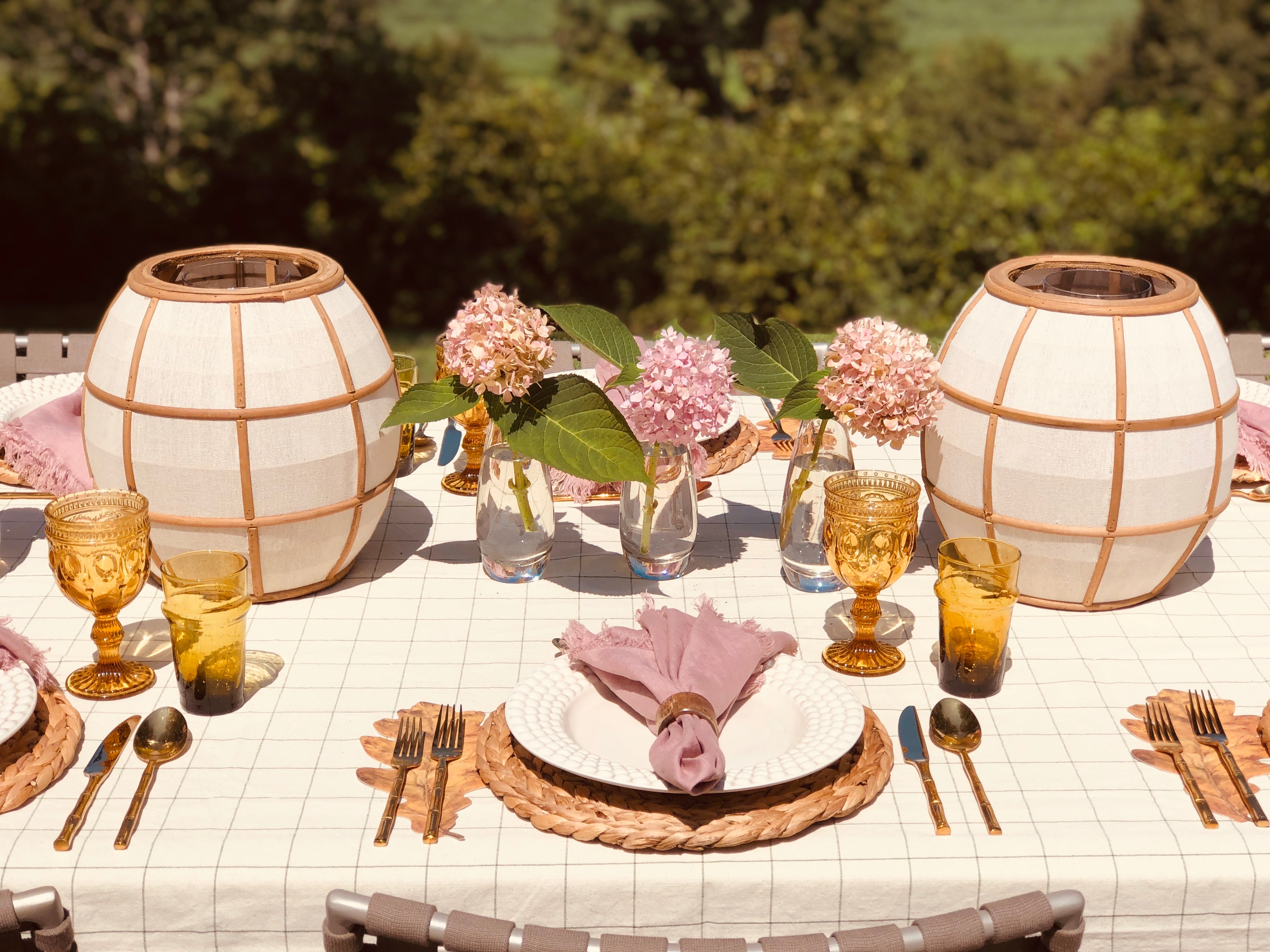


Modern decorative vases work best together when they share a color, scale, or finish, even if their shapes and materials differ. Combining ceramic, glass, stoneware, or sculptural forms can feel cohesive without looking overly matched. Many vases balance decorative appeal with a practical role, too, holding fresh or dried arrangements.
You don’t have to choose between a striking display and a useful vessel. The right vase can add texture to a shelf, frame seasonal stems, or keep a dining table open for conversation.
Learn how to combine vase styles, compare materials, and choose a centerpiece that suits your table’s proportions. You’ll also see when to treat a vase as a sculptural accent and when to choose one designed to hold flowers, so your arrangement feels considered and easy to live with.
Key Takeaways
- Compare ceramic, stoneware, glass, and mixed-material designs by the texture and visual weight they bring to a room.
- Combine sculptural shapes with a unifying detail, then vary height to create a collected rather than overly matched display.
- Choose a dining table centerpiece that keeps sightlines clear, and arrange shelf vases in groups of three or five at varying heights.
- Decide whether the vase’s main role is display or holding flowers, then choose a form that suits how you’ll use it.
Ceramic, stoneware, glass, and mixed-material vases
A vase’s material shapes its texture, visual weight, and relationship to surrounding pieces. Many modern vases are watertight and can hold fresh or dried arrangements, but decorative pieces vary.
For fresh flowers, choose a watertight vase. A clear glass cylinder makes the water level easy to see. A vase’s finish and construction help determine whether it feels practical, sculptural, or both.
Ceramic and Stoneware Options
Ceramic offers a broad range of finishes, from smooth glaze to tactile matte textures. Stoneware brings an earthy, substantial look that pairs well with natural materials such as linen and wood. Compare the finish with nearby tableware: a white ceramic vase can keep a setting crisp, while textured stoneware adds depth beside plain plates. Check the opening, too. A narrow neck gathers stems, while a wider mouth allows a looser arrangement.
Glass and Mixed-Material Finishes
Clear glass keeps a display light and lets stems and water become part of the arrangement. For example, a cylinder measuring 4 inches wide by 12 inches high creates a tall, streamlined silhouette. Frosted or colored glass shifts attention toward the surface rather than the stems. Mixed-material designs add contrast, such as a ceramic body paired with a metal detail; repeat one finish elsewhere to make that combination feel intentional.
Use scale as a practical filter. An 8-inch clear glass vase suits a compact arrangement, while a 9.8-inch white ceramic vase gives more height on a console or shelf. These examples show how material and proportion work together: clear glass recedes, while opaque ceramic makes a stronger visual block. On a small surface, choose a simpler profile so the vase doesn’t crowd nearby objects.
For a restrained look, place one eucalyptus stem in a minimalist vase. Cherry blossoms, pampas grass, and orchids offer other distinct silhouettes. Match the opening to the stems: a narrow neck supports a few upright branches, while a wider opening gives airy stems room to spread. Before filling a decorative piece, confirm it holds water. Otherwise, display dried botanicals or use it as a sculptural accent.
Can I mix different vase styles together?
Yes. Different vase styles can work together when a shared color, scale, or finish ties the display together. Pairing sculptural forms with small bud vases creates contrast while keeping the arrangement considered.
Sculptural and Abstract Forms
Start with one sculptural vase as the focal point, then choose simpler shapes to support it. A loop-shaped or asymmetrical silhouette brings movement; a rounded, understated vessel balances its unusual outline. Compare height and visual weight, not just color. On a narrow shelf, place the most dramatic form toward one side, leaving smaller pieces room to stand out. This lets abstract designs shine without making every vase compete for attention.
Bud vases offer a delicate contrast to larger forms. Try grouping three small vases at varying heights on a coffee table, then give each a single stem or compact bloom. Their narrow profiles suit light, spare arrangements, while an abstract vase can anchor the grouping. Leave visible space between the pieces so each outline remains distinct. On a side table, use fewer objects and let one bud vase add a small seasonal accent.
Combining Modern Vase Aesthetics
Choose one link between contrasting styles: a shared finish, color family, or similar scale. For example, pair a matte sculptural vase with a glossy, simple cylinder, then repeat one color across both. The finishes create contrast, while the repeated hue makes the pairing feel intentional. If the shapes differ sharply, keep their tones close; if the colors vary, repeat a shape or surface. This gives the eye a clear connection to follow.
Build the display in stages. Place the largest or most expressive piece first, add a second vase with a different silhouette, then adjust spacing. A trio of varied heights works well on a coffee table; on a shelf, align the bases or vary their positions for a more relaxed rhythm. Step back and remove any piece that distracts from the focal shape. For a coordinated tablescape, explore decorative vase styles that complement your setting.
What size vase should I choose for my dining table?
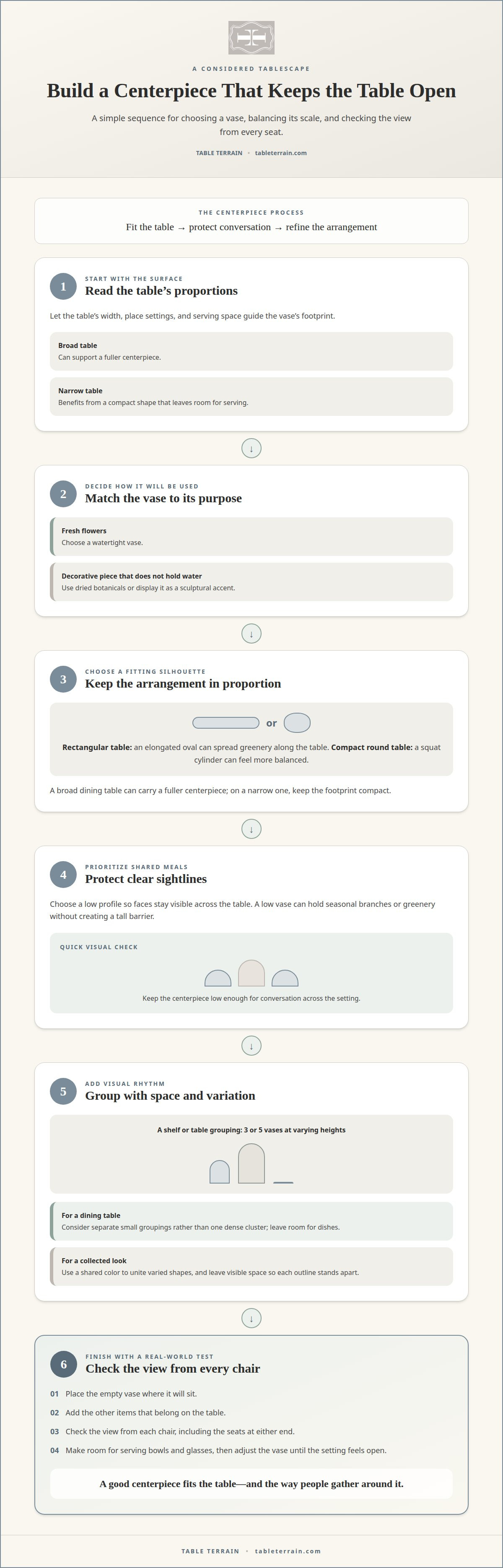
Choose a vase in proportion to your table, keeping it low enough to preserve views across the setting. A broad dining table can support a fuller centerpiece, while a narrow table benefits from a compact shape. For example, an elongated oval vase spreads greenery along the table without creating a tall barrier. Let the table’s width, place settings, and serving space guide the vase’s footprint.
For shared meals, prioritize clear sightlines over dramatic height. A low-profile vase can hold seasonal branches or greenery while keeping faces visible across the table. A squat cylinder is another grounded option, especially when the centerpiece sits among plates and serving dishes. Before arranging flowers, place the empty vase at the table’s center and view it from seated positions. If it interrupts conversation, choose a lower profile.
Vase groupings work best when their number and height suit the surface. Arrange three or five vases of varying heights on a shelf or table, balancing the tallest piece with shorter companions. On a dining table, consider separate small groupings rather than one dense cluster, leaving space for dishes. A shared color can unite the pieces, while varied shapes keep the display from feeling rigid.
Use this quick placement test before settling on a centerpiece: set the vase where it will sit, then add the other items that belong on the table. Check the view from each chair, including the seats at either end. A long oval arrangement may suit a rectangular table, while a squat cylinder can feel more balanced on a compact round one. Leave room for serving bowls and glasses, then adjust the vase’s position until the setting feels open.
Decorative versus functional vases
A vase can earn its place through its silhouette, its use, or both. A sculptural vessel on an entryway console creates a focal point even without flowers. A simple vase with fresh stems brings color and seasonal change to the same surface. Decide which role matters most before choosing its shape, opening, and placement.
For a purely decorative display, prioritize form and setting. A tall sculptural vase can welcome guests from a console or sideboard, especially beside a mirror or wall art. Keep nearby objects restrained so its outline stays visible. Dried grasses can add texture without changing the arrangement, while an empty vessel keeps attention on its finish and shape.
A functional vase should suit the flowers you plan to use. Match its opening to the arrangement: a narrow neck gathers stems, while a wider mouth gives branching greenery room to spread. For fresh flowers in a tall vase, change the water every two to three days. This simple routine helps care for the arrangement between gatherings.
Some modern designs bridge both roles. A clean-lined vessel can hold fresh or dried stems, then stand alone as a decorative accent when the arrangement changes. Consider where it will sit: a dining table calls for a lower profile that preserves conversation, while an entry console can support a taller statement piece. The best choice suits both the surface and the way you use it.
Use this quick test: picture the vase empty, then imagine it filled with your usual flowers. If its shape still suits the room and its opening accommodates the stems, it can serve both purposes. If you’re choosing a vessel for a fresh arrangement or a styled display, explore vases for your tablescape.
Table Terrain: Table Linens & Napkin Rings
Table Terrain helps bring your vase choices into a cohesive dining setting with table linens and napkin rings. These pieces make a considered backdrop for a centerpiece or help refresh the table for a gathering. A runner can frame a low vase, while napkin rings add a finishing detail without competing with sculptural shapes.
For a complete tablescape, pair vases and containers with flatware, serving items, or goblets. Keep the palette connected: simple linens can balance a statement vase, while serving pieces support the table’s overall look. Choose the vase first, then build around its color, material, and scale.
Contact Table Terrain to explore pieces for your table setting.
Make Your Next Table Feel Personal
Let your next arrangement reflect the mood you want to create, not a rulebook. A vase can bring in a seasonal detail, echo a favorite finish, or add a quiet contrast to familiar tableware. Start with one piece you love, then let the setting grow around it. That small choice can make an everyday meal feel considered and give a gathering its own character.
As you explore modern decorative vases, think about the moments you want them to support: a relaxed brunch, a dinner with friends, or a simple change of season at home. Choose a design that feels right in your space and easy to enjoy beyond one occasion. For a fresh starting point, contact Table Terrain about vases. Bring your own point of view to the table, and let the details follow.
Frequently Asked Questions
What flowers or branches work best in minimalist vases?
Choose stems with clear outlines, such as tulips, magnolia branches, or a single fern frond. Their shapes stand out without crowding a simple vessel. For a narrow opening, arrange a few upright stems; for a wider mouth, let foliage spread naturally. Trim stems to balance the arrangement with the vase, and remove leaves that would sit below the waterline.
Are modern vases purely decorative or functional?
Vases can serve either purpose, and some suit both. A purely decorative piece can anchor a console or add shape to a bookshelf, even when left empty. For regular flower arranging, choose a vase with an opening that supports your preferred stems and a stable base for the filled vessel. Consider how often you’ll change its contents before deciding which role matters most.
What styles of modern decorative vases are popular in 2026?
Modern styles include minimalist profiles, sculptural silhouettes, and designs that combine contrasting materials. For a collected look, pair a rounded vessel with a narrow, linear shape, then connect them through color or finish. A single abstract vase can also make a focused accent on a sideboard. Rather than relying on a trend label, choose a form that works with your room and the objects already there.
What materials are modern decorative vases made from, and how do they compare?
Common materials include ceramic, stoneware, glass, and combinations of materials. Consider how each looks beside your furnishings: opaque surfaces make the vessel itself the focus, while transparent glass reveals stems and water. Stoneware suits an earthy, tactile display; mixed materials create contrast between surfaces. Match the finish to nearby objects, such as smooth glass beside polished tableware or textured ceramic near woven accents.
What are the most popular shapes, colors, and finishes for contemporary vases?
There’s no single shape for every room, but rounded, cylindrical, and asymmetrical designs each create a distinct effect. A neutral palette can blend with existing décor, while a saturated color creates a deliberate focal point. Matte finishes feel understated; glossy surfaces catch the light. Choose one feature to lead, such as an unusual silhouette or vivid glaze, and keep the other details quieter for a balanced display.
Which modern vases work best for living rooms, bedrooms, and entryways?
In a living room, choose a shape that suits the scale of the coffee table or bookcase, leaving space for everyday use. In a bedroom, a compact vase on a dresser or nightstand adds detail without crowding personal items. An entryway can accommodate a more noticeable silhouette on a console. Consider the surface, nearby objects, and how people move through each space.